Trend Forecasting for Beginners: How Fashion Trends Actually Start and Spread
A trend rarely begins on a runway. It begins in a basement, a skate park, a ballroom, or a group chat full of people who cannot afford next season's anything. Someone wears a jacket wrong on purpose. Someone copies it. A stylist notices. Eighteen months later the same idea is hanging in a mall with a two-for-one offer attached. Trend forecasting is the craft of seeing that path early, and guessing where it bends next.
What Trend Forecasting Actually Is
Forecasting is not fortune-telling. Nobody can name the exact skirt length that will dominate next spring, and anyone who claims to is selling something. What forecasters do is track the direction of change and the speed at which it is travelling.
That distinction matters. A microtrend lives for a few weeks to a season: one colour, one accessory, one styling trick. A trend lasts a few years and usually involves a silhouette or a mood. A classic — the denim jacket, the trench, the white shirt, the loafer — survives all of it. Beginners often mistake a microtrend for a trend and over-invest. Learn which one you are looking at before you spend.
Two questions do most of the work: which direction is this moving, and how far along is it? A third question helps too: who is wearing it, and why do they care? If the answer is "brands are paying them," the signal is weaker than if the answer is "this is how my friends recognise each other."
Forecasting does not ask, “What will everyone wear?” It asks, “What is being worn now, by whom, and what does that behaviour want next?”
Trends Begin Where Style Is a Private Language
Almost every trend that reaches a shopping centre started as a way for a group of people to recognise each other. Punk in 1970s London, hip-hop in the Bronx, ballroom culture in New York, skateboarding, goth, rave. Online, the same thing happens without a postcode: cottagecore, dark academia, gorpcore, balletcore and Y2K revivals were community aesthetics on Tumblr, Pinterest and Discord long before a brand touched them.
Subcultures are useful to watch precisely because they are indifferent to what the market wants. When something is adopted by people with no commercial motive, it carries an authenticity no marketing budget can buy. The moment a look becomes useful for selling something, it has already begun to change.
Signals worth noting at street level
- Worn wrong on purpose. A tie as a belt, a shirt buttoned to the throat, a jacket inside out. Deliberate misrule often becomes next season's styling.
- DIY modification. Cropped hems, painted logos, patched denim, safety pins. If people alter a garment to make it theirs, designers will eventually sell it pre-altered.
- A uniform forming. When a scene starts dressing alike without agreeing to, a silhouette is settling.
- Gatekeeping. If insiders are annoyed that outsiders have noticed, the look is already leaving the subculture.
Watch also for repeated gestures: a specific way of rolling a sleeve, tucking a shirt, carrying a bag, or layering a dress over trousers. Trends are often not objects but habits. The object is just the evidence.
Designers Translate, Then Legitimise
Designers are the bridge between a scene and a shop. Vivienne Westwood and Malcolm McLaren turned punk's safety pins into a King's Road boutique. Demna carried post-Soviet streetwear and extreme proportions from Vetements into Balenciaga. Miuccia Prada has spent decades turning uniform, utility and deliberately awkward taste into luxury.
Translation is rarely literal. A designer extracts an attitude, a proportion, or a material and re-cuts it for a different customer. Marc Jacobs sent grunge down a Perry Ellis runway in 1992; soon flannel, Dr. Martens and layered slip dresses were everywhere. Dapper Dan remixed luxury logos for hip-hop years before high fashion collaborated with the culture. Supreme moved from downtown skate shops to a Louis Vuitton runway. Each step made the original signal legible to people who had never set foot in the scene.
After designers come the amplifiers: stylists, editors, musicians, actors, athletes, influencers. A music video, a red-carpet moment, or a viral fit pic can collapse years of slow spread into a single season. Then fast fashion arrives. When a look appears in a low-cost chain, on a billboard, and in a discount rack within months, the trend is no longer early. It is inventory.
The Diffusion Curve: From Eight People to Eight Million
Trends usually move through a recognisable sequence. Not every trend follows the same timeline, but most pass through similar stages:
- Innovation. A small group invents or repurposes a look. There is no market yet, only identity.
- Validation. Early adopters with cultural capital — stylists, artists, club kids, niche creators — pick it up. It still feels insider.
- Diffusion. Influencers, magazines, and mid-priced brands translate it. The look becomes recognisable but not yet universal.
- Saturation. Fast fashion, malls, and mainstream advertising flood the market. Everyone knows the code.
- Decline. The original scene moves on, often in the opposite direction. The trend becomes a costume or a joke.
There are three common routes. Trickle-down starts in luxury and falls to the high street. Trickle-up starts on the street and climbs to the runway. Bubble-up happens when several online scenes arrive at the same idea at once, which is why so many trends now seem to appear from everywhere and nowhere.
How to Practise Forecasting Without a Budget
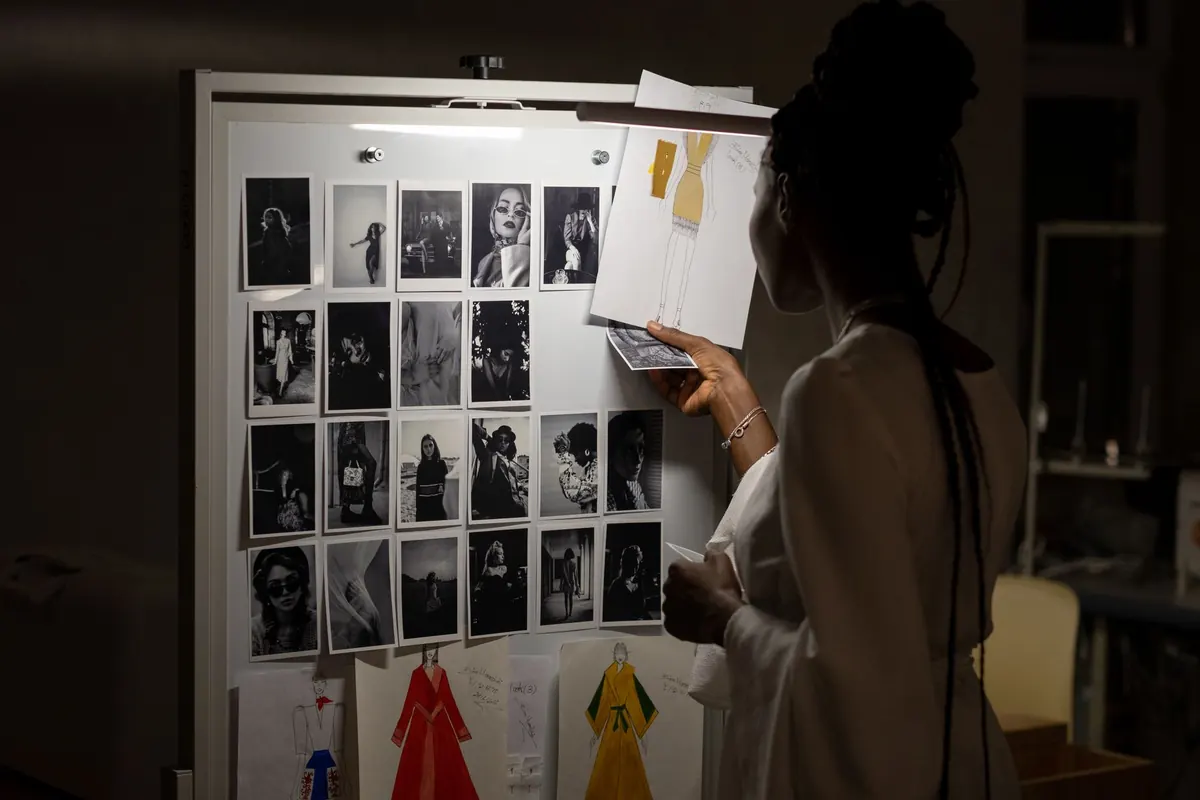
You do not need a subscription to a trend agency to learn this skill. You need attention, consistency, and a place to record what you notice. Start a simple trend journal. Note the date, the place, the person or group, and what exactly you saw. Over months, patterns will emerge that a single scroll cannot show you.
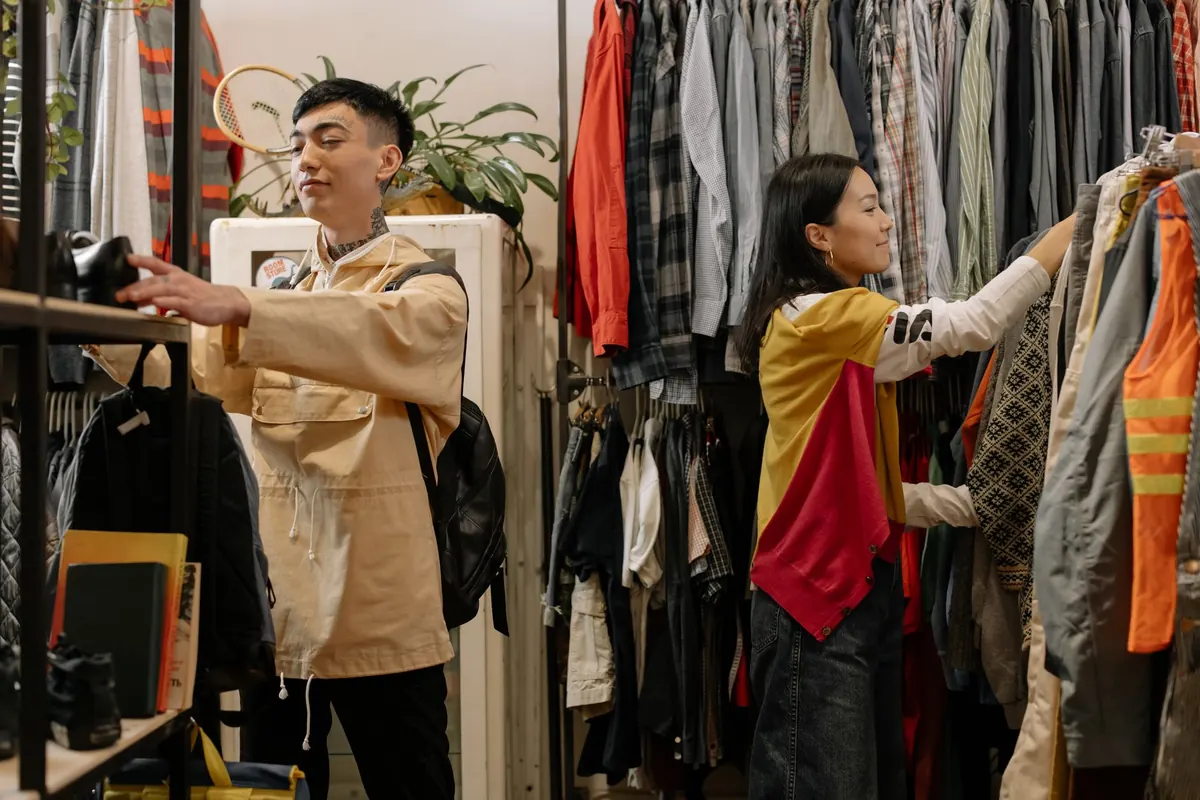
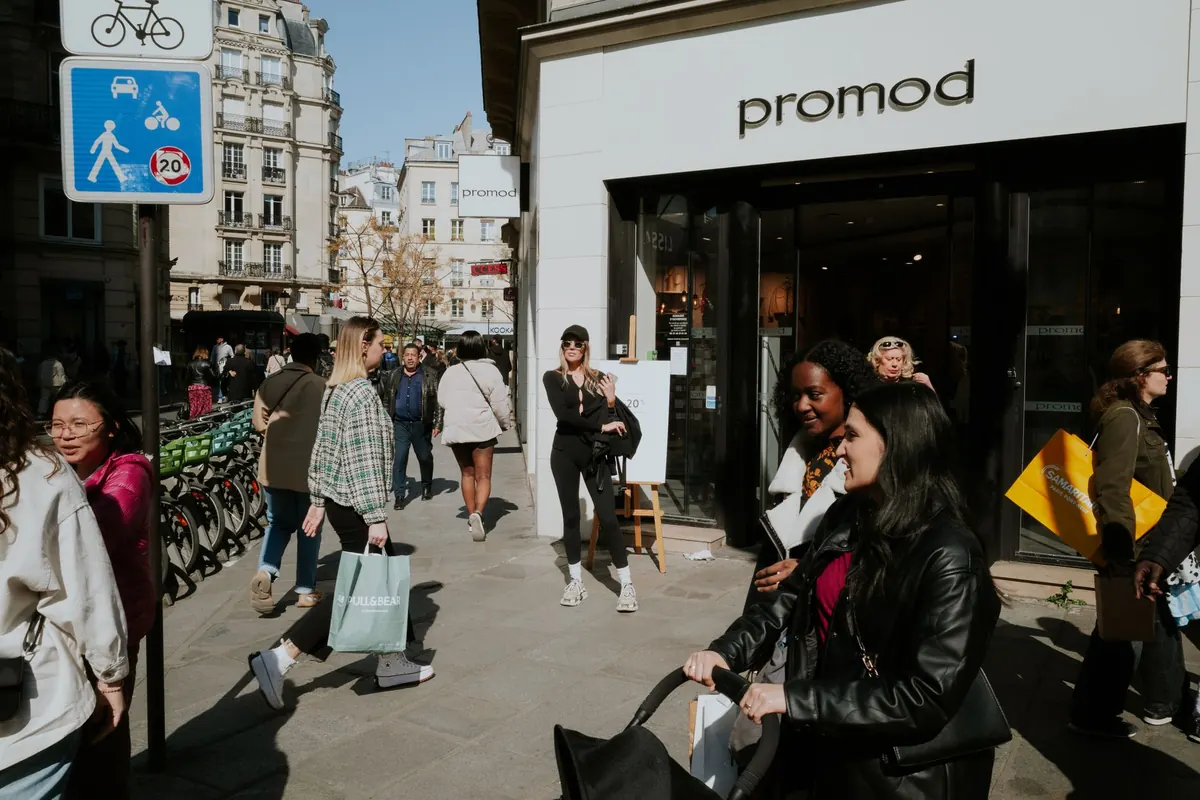
- Street-level observation. Watch bus stops, campuses, clubs, skate parks, and group chats. Look for repetition, not one-off outfits.
- Resale and vintage. Depop, Vinted, eBay, and charity shops reveal what people are hunting before brands produce it. Rising search terms and sold-out tags are signals.
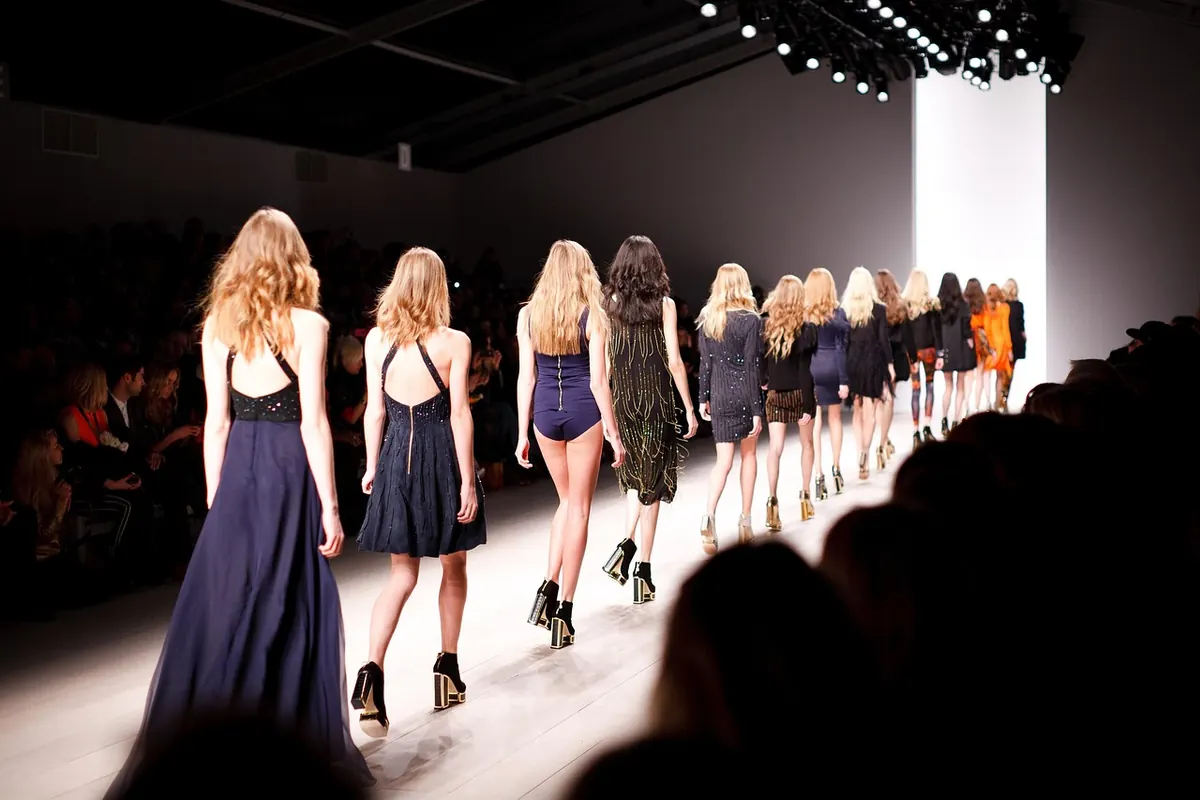
- Runway and lookbooks. Read them as summaries, not starting points. Ask which street ideas a designer is translating and for whom.
- Search and social data. Google Trends, Pinterest predictions, TikTok hashtags, and subreddit activity can show acceleration. Look for growth across different platforms, not just one viral moment.
- Cultural calendar. Films, music tours, art exhibitions, sports events, and political moods all change what clothes mean. A documentary can revive a decade overnight.
- Colour and material. Watch fabric fairs, mill innovations, and seasonal palettes. A new dye technique or recycled textile can shape silhouettes as much as a hemline.
Ask a few diagnostic questions. Is it spreading across unrelated groups? Is it being modified rather than copied? Is it appearing in advertising yet? Are insiders rolling their eyes? The answers tell you where you are on the curve.
Timing Beats Taste
Forecasting is mostly timing. A trend can be right and still fail if it arrives too early or too late. Consumers adopt when a look feels both new and familiar enough. Low-rise jeans returned after years of high-rise dominance; early adopters looked extreme, then a new generation normalised them, then mass retail made them unavoidable. Baggy jeans followed a similar path. After skinny, wide. After polished, grunge. After minimal, maximal.
Look for contradictions. When everyone is wearing clean minimalism, some people will crave mess. When tailoring is everywhere, comfort becomes rebellious. Trends often swing to the opposite of what has been dominant, but with a twist that makes the old thing feel current again. The twist is where the forecast lives.
Common Beginner Mistakes
- Confusing virality with longevity. A TikTok sound can make a microtrend; that does not mean it will last three years.
- Ignoring price and access. A trend spreads faster when it can be copied cheaply and worn in many ways.
- Watching only runways. By the time a major house shows an idea, it has usually been circulating elsewhere for months or years.
- Forgetting context. A garment means something different in a ballroom, a skate park, an office, and a red carpet. Context is the forecast.
- Relying on one source. Triangulate street, resale, runway, search, and retail before you commit.
Why It Matters
Forecasting is not about being the first to wear something. It is about understanding how meaning moves through clothes. That helps designers decide what to make, buyers what to stock, writers what to explain, and individuals what to buy without feeling like a walking billboard. The
Photo: Ron Lach / Pexels